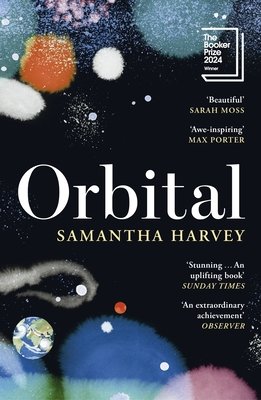
Orbital is a short novel - under 200 pages - but it operates on geological time. Six astronauts aboard the International Space Station complete sixteen orbits of Earth in a single day. The planet below is always present: visible through the cupola, sensed through the routine of scientific work, mourned quietly by people who have left their lives to be here.
Samantha Harvey’s prose is exact without being cold. She tracks the crew’s individual interiorities - grief, displacement, longing, wonder - against the cycling rhythms of sunrise and sunset that happen sixteen times before they sleep. The result is less a plot-driven novel than a meditation, concerned with what it means to see something from far enough away to understand it whole, and whether distance produces clarity or just another kind of loss.
It won the 2024 Booker Prize, which is sometimes a reliable signal and sometimes not. Here it is. The book earned it by doing something formally unusual - writing about weightlessness in prose that is itself unhurried, suspended - without letting the formal ambition crowd out the human material.
If you find yourself returning to books that sit with you rather than move quickly, Orbital is worth the afternoon it takes to read it.